
What Is the Safe Temperature for Your Chihuahua?
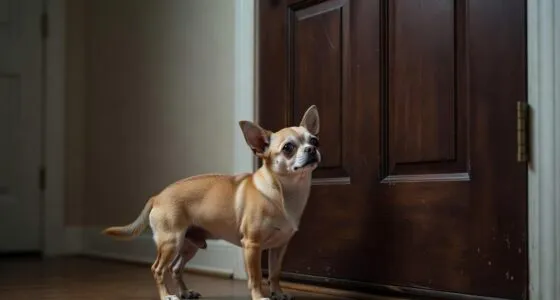
Figuring out the safe temperature for your chihuahua is something every owner needs to think about, and most of us learn the hard way. I took my chihuahua Mochi for a walk on what I thought was a mild autumn evening, maybe 50 degrees Fahrenheit, and within ten minutes she was shaking so hard she could barely walk. I scooped her up, tucked her inside my jacket, and felt terrible for not understanding sooner that what feels comfortable to me can feel dangerously cold to a five pound dog with barely any body fat or insulation.
Chihuahuas are one of the most temperature sensitive breeds in the world. Their small size means they lose body heat rapidly in cold weather and overheat quickly in warm weather. Knowing the safe ranges and the warning signs of temperature distress can genuinely save your chihuahua’s life.
Cold Weather Guidelines for Chihuahuas
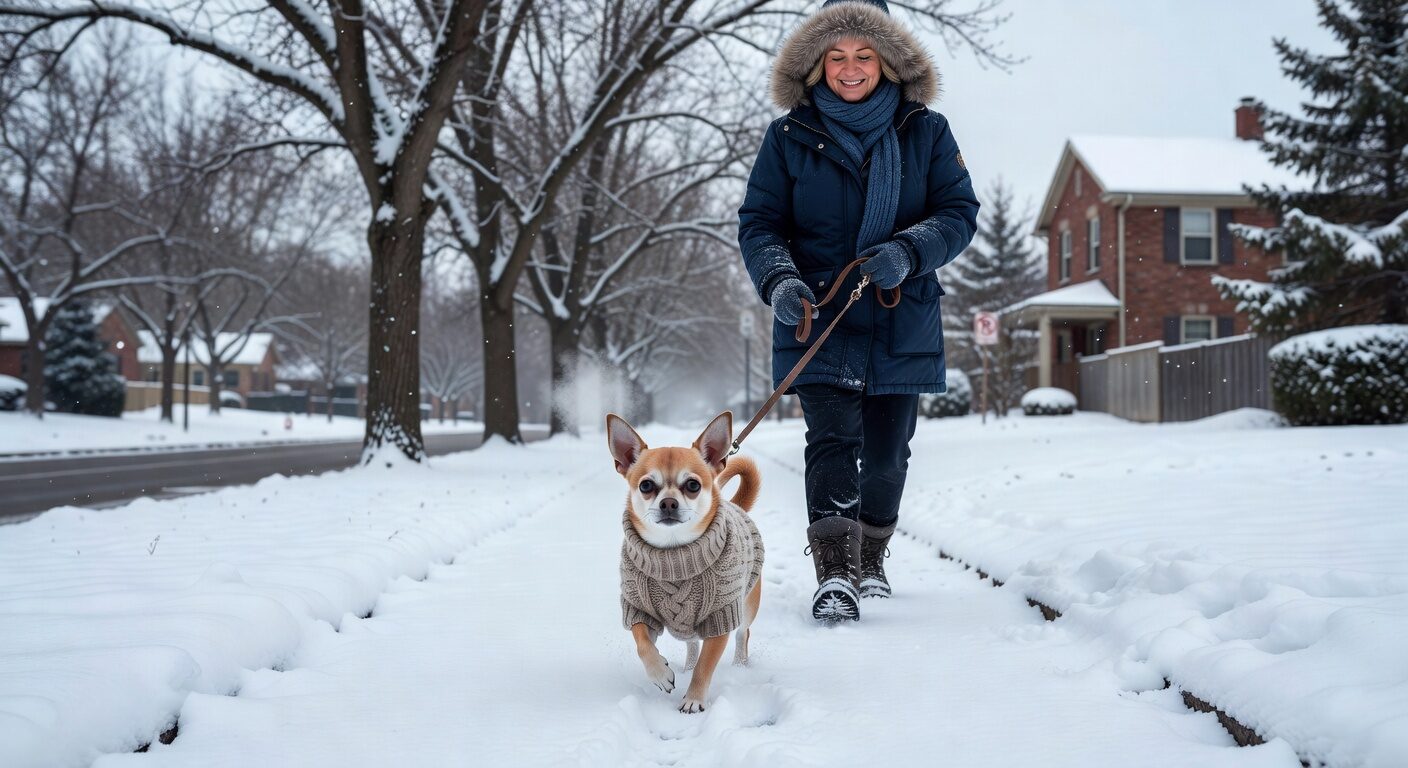
The general rule is that most chihuahuas start getting uncomfortable below 50 degrees Fahrenheit and can be at real risk below 40 degrees. Below 35 degrees, you are in danger territory where hypothermia becomes a genuine concern, especially for very small chihuahuas, puppies, and seniors. Mochi now wears a fleece lined jacket for any walk when the temperature is below 55 degrees, and I keep outdoor time brief on days below 45.
Wind chill makes a huge difference for chihuahuas. A 50 degree day with strong wind feels significantly colder to a tiny dog than a calm 50 degree day. Rain and wet conditions amplify the problem because wet fur loses its insulating properties and pulls heat away from the body even faster. I check the forecast before every walk now, including wind chill and precipitation, because those factors matter as much as the actual temperature for a dog this small.
According to the American Kennel Club, small, thin coated breeds like chihuahuas are among the most vulnerable to cold weather dangers. They recommend limiting outdoor exposure in cold temperatures and providing proper clothing when your dog does go outside.
Signs Your Chihuahua Is Too Cold
Shivering is the most obvious sign, but chihuahuas shiver for many reasons including excitement and anxiety, so you need to look at context. If your dog is shivering while outside in cool weather, they are cold. Other signs include holding up paws, reluctance to walk, curling into a tight ball, seeking warm spots, and whining or trying to turn back toward home. More serious signs of hypothermia include lethargy, stiff muscles, shallow breathing, and a body that feels cold to the touch. If you see these symptoms, warm your chihuahua gradually with blankets and get to a vet immediately.
Hot Weather Guidelines for Chihuahuas
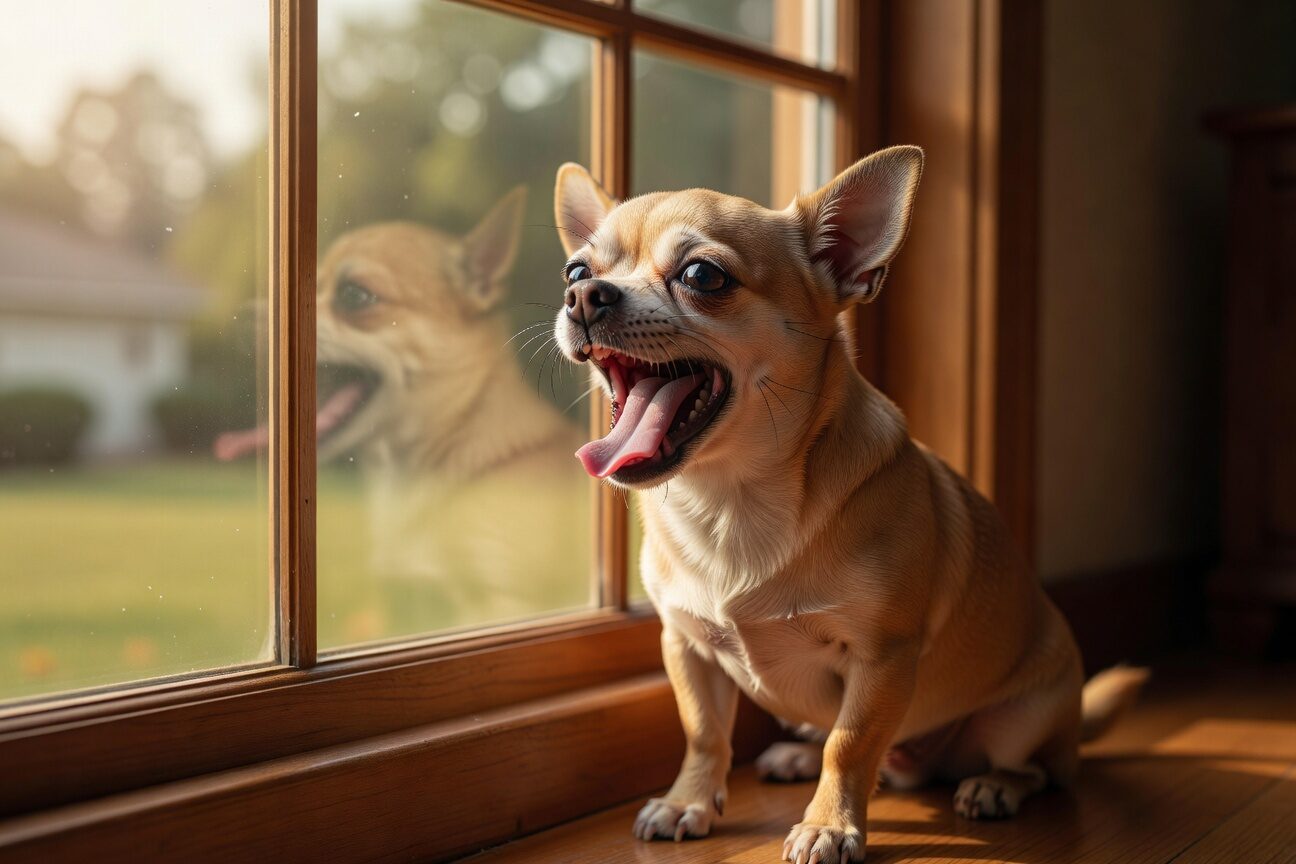
Heat is just as dangerous as cold for chihuahuas, though many owners do not think about it as much. Chihuahuas can overheat at temperatures above 80 degrees Fahrenheit, especially with high humidity, direct sun, or physical exertion. Their small bodies heat up faster than they can cool down, and they are at higher risk for heatstroke than many larger breeds.
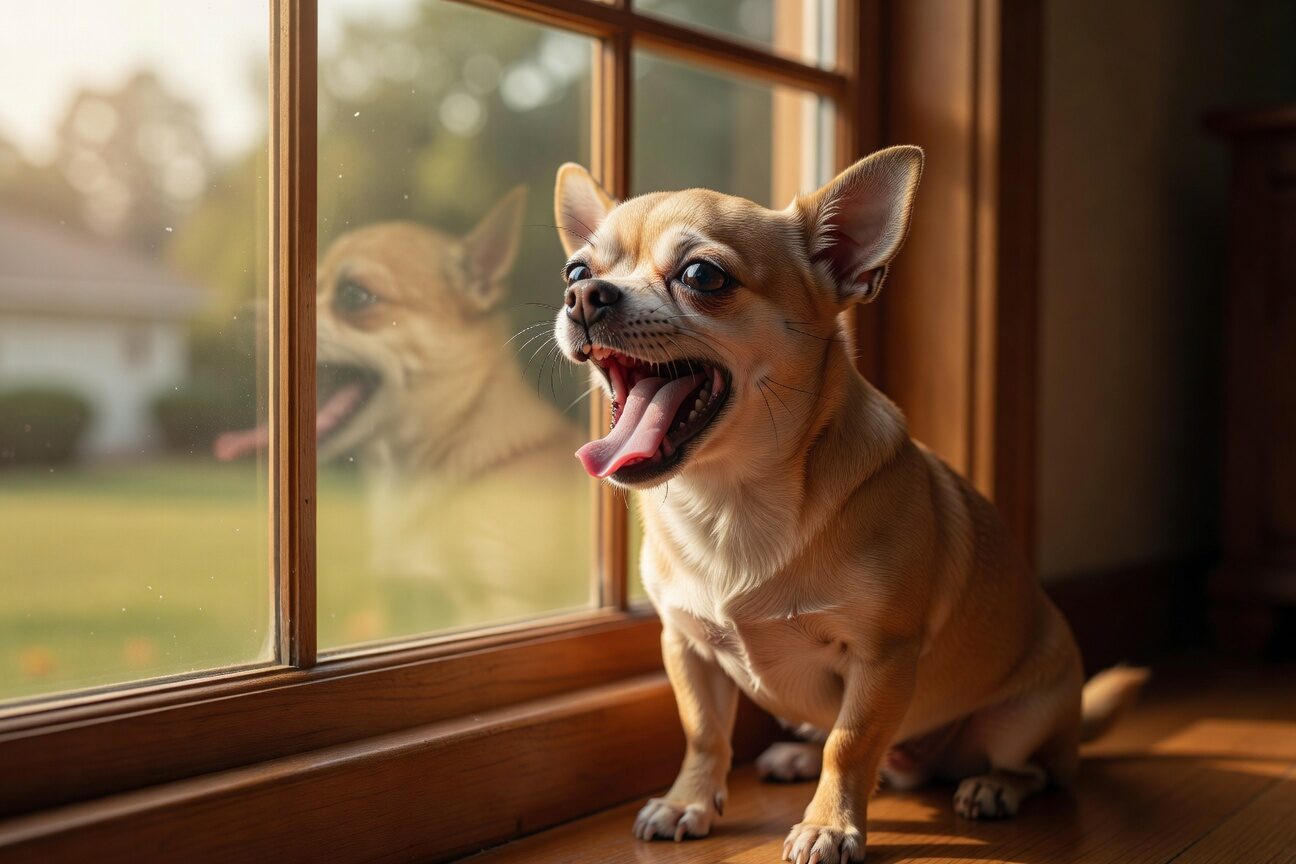
I avoid walking Mochi during the hottest parts of the day in summer, typically between 11 AM and 4 PM. Early morning and evening walks keep her comfortable and safe. I also check the pavement temperature before walks by holding the back of my hand against the asphalt for five seconds. If it is too hot for my hand, it is too hot for Mochi’s paws. Burned paw pads are painful and take weeks to heal, and they are completely preventable.
Signs Your Chihuahua Is Overheating
Excessive panting, drooling, bright red gums, rapid heartbeat, lethargy, and stumbling are all signs of overheating. If you notice any of these, move your chihuahua to a cool area immediately, offer water, and apply cool (not cold) wet cloths to their belly and paws. Heatstroke can escalate rapidly to organ failure and death, so if symptoms do not improve quickly, get to a veterinarian as an emergency.
Never leave your chihuahua in a parked car, even for a few minutes, even with the windows cracked. The veterinary experts at Rover note that car interiors can reach dangerous temperatures within minutes, even on days that feel moderate outside.
Indoor Temperature for Chihuahuas
Your home should be a comfortable safe zone for your chihuahua year round. Most chihuahuas are happiest with indoor temperatures between 65 and 75 degrees Fahrenheit. In winter, if you like to keep your house on the cooler side, make sure your chihuahua has warm blankets, a heated bed, and access to sweaters or pajamas. Mochi has a self warming pet bed that reflects her body heat back to her, and she gravitates to it on every cold day.
Air conditioning in summer is essential if you live in a hot climate. Chihuahuas should never be left in a house without cooling during extreme heat, and even moderate heat can be uncomfortable for them if there is no air circulation. A small fan near their bed and access to fresh water at all times helps them regulate their temperature when you are away.
Clothing and Gear for Temperature Protection
I used to think putting clothes on dogs was purely cosmetic until I owned a chihuahua. For this breed, clothing is functional gear that serves a real purpose. Fleece lined jackets for winter, lightweight cooling vests for summer, and rain coats for wet days are all practical items that help your chihuahua stay within a safe temperature range.
Look for clothing that fits snugly without restricting movement. Chihuahuas come in different body shapes and proportions, so you may need to try a few brands before finding one that works for your dog. Mochi is narrow through the chest but has a deeper rib cage, so certain styles bunch up on her while others fit perfectly. Getting the right fit matters because a poorly fitting jacket can chafe, restrict breathing, or come off at exactly the wrong moment.
Booties are another consideration for extreme temperatures in both directions. Hot pavement in summer and icy sidewalks in winter can both injure chihuahua paws. Mochi tolerates her booties now, though the first time I put them on she walked like she was on the moon. Most dogs need a few sessions to adjust to the feeling.
Special Considerations for Puppies and Seniors
Chihuahua puppies and senior chihuahuas are even more vulnerable to temperature extremes than healthy adults. Puppies have less body mass to generate heat and have not yet developed their full temperature regulation abilities. Seniors often have less muscle mass and may have health conditions that make them less able to cope with temperature stress.
For puppies, keep outdoor time in cold weather very short and make sure they have warm sleeping areas. For seniors, extra layers, heated beds, and closer monitoring during temperature extremes are all important adjustments. My older chihuahua gets cold faster than Mochi does, so she wears a sweater indoors on chilly days when Mochi is perfectly comfortable without one.
Understanding the safe temperature for your chihuahua and responding appropriately is one of the most fundamental responsibilities of owning this breed. It takes a little extra planning and attention, but keeping your tiny dog comfortable and safe through every season is entirely manageable once you know what to watch for. For more health guidance, explore our articles on chihuahua puppy care and improving your chihuahua’s skin and coat.