

Size of a Chihuahua: Everything You Need to Know About This Tiny Breed
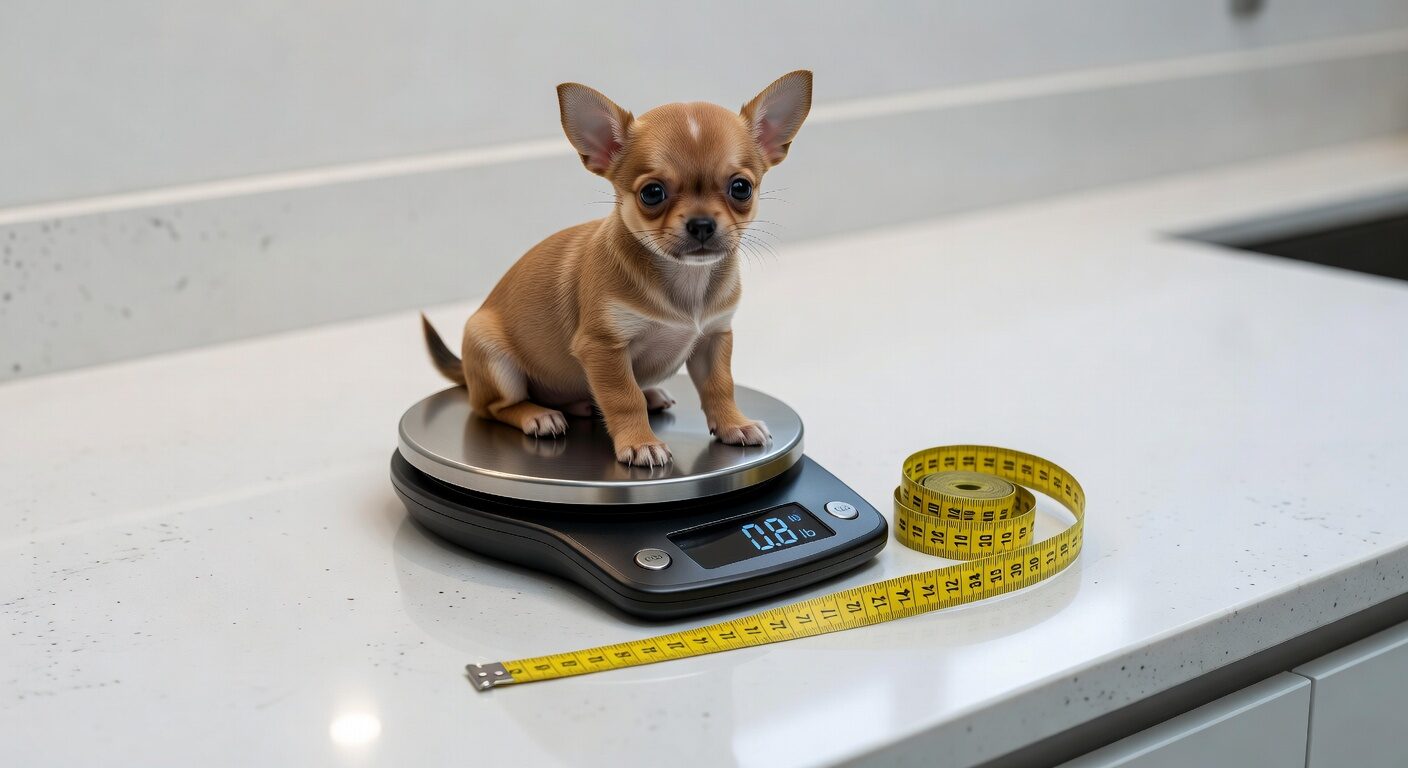
The size of a chihuahua is one of the first things that surprises people who have never spent time around the breed. I remember the first time I held a chihuahua puppy and genuinely could not believe that something so small was an actual dog with a heartbeat and a fully functional attitude problem. These are the smallest recognized dog breed in the world, and their compact dimensions come with specific considerations that every owner should understand.
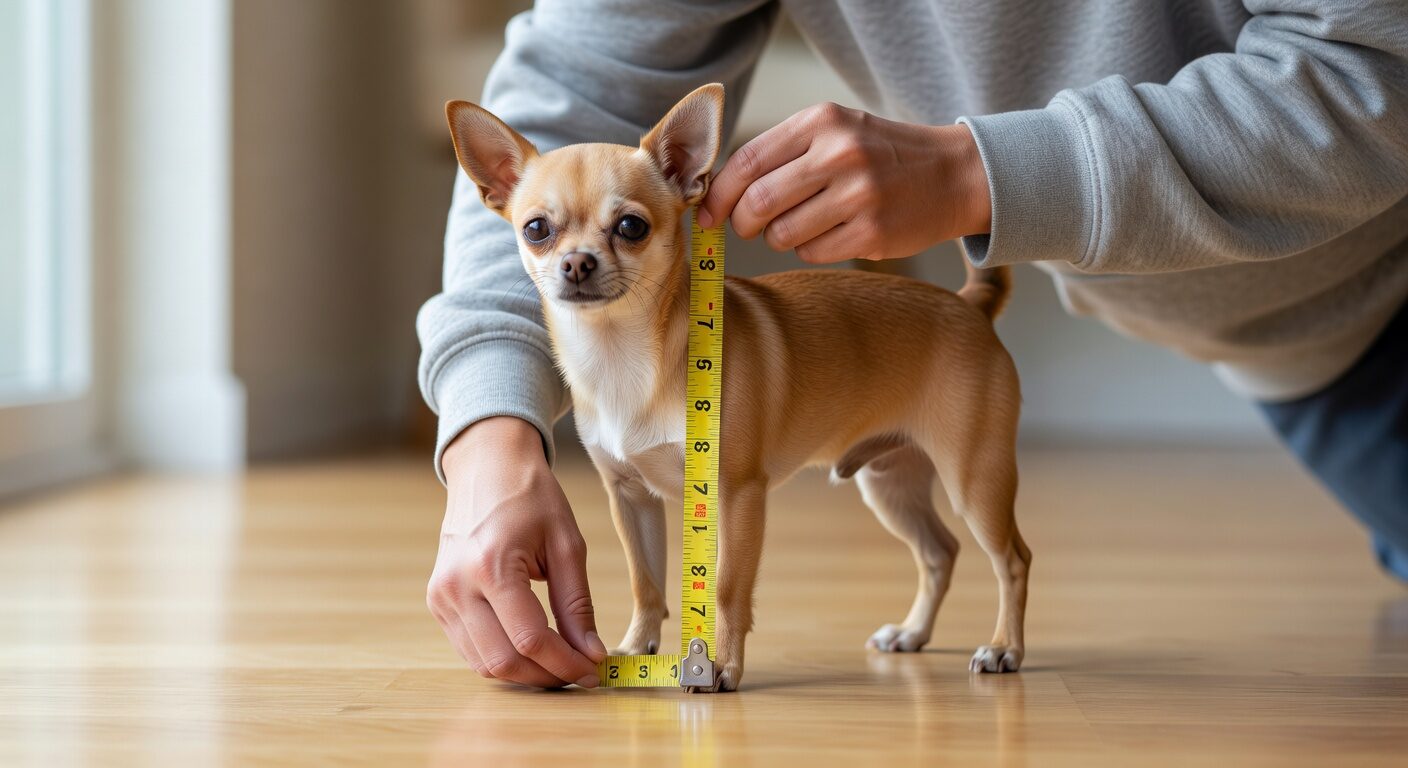
My chihuahua Pepper weighs five and a half pounds soaking wet, and she is considered perfectly average for the breed. But chihuahuas can range quite a bit in size, and understanding what is normal, what is too small, and what constitutes a healthy weight makes a real difference in how you care for your dog.
Standard Chihuahua Size and Weight
The American Kennel Club breed standard for chihuahuas specifies a weight of no more than 6 pounds for show dogs, with no minimum weight listed. In practice, most pet chihuahuas weigh between 3 and 7 pounds, though it is not uncommon to see healthy chihuahuas that weigh up to 10 or even 12 pounds. These larger chihuahuas are sometimes called “deer leg” chihuahuas because of their longer legs and slightly larger build, and while they may not fit the show standard, they are perfectly healthy and often more robust than their tinier counterparts.
Height wise, chihuahuas typically stand 5 to 8 inches tall at the shoulder. That is barely taller than a standard water bottle laid on its side, which helps put their size into perspective. Pepper can walk under my coffee table without ducking, which she does regularly to steal toys she has hidden under there.
Chihuahua Growth Stages
Chihuahua puppies are born incredibly small, often weighing just 2.5 to 5.5 ounces at birth. They grow rapidly during their first few months and reach most of their adult size by about 9 to 12 months, though some chihuahuas continue to fill out slightly until they are about 18 months old.
Birth to 3 Months
This is the most dramatic growth period. A chihuahua puppy can double or triple their birth weight within the first few weeks. By three months, most puppies weigh somewhere between 1.5 and 3 pounds depending on their eventual adult size. This is also the period when hypoglycemia risk is highest because these tiny bodies burn through energy reserves incredibly fast.
3 to 6 Months
Growth continues steadily but slows compared to the first three months. By six months, your chihuahua will likely be close to 75 percent of their adult weight. You can start to get a reasonable estimate of their final size during this period, though surprises happen. Pepper was the runt of her litter and I was convinced she would be a 3 pound dog, but she kept growing and settled at a healthy 5.5 pounds.
6 to 12 Months
Most chihuahuas reach their adult height during this phase and continue adding a small amount of weight as they fill out. By their first birthday, your chihuahua’s size is essentially what it will be for the rest of their life, give or take a few ounces. Maintaining a healthy weight from this point forward becomes your primary concern.
The “Teacup” Chihuahua Myth
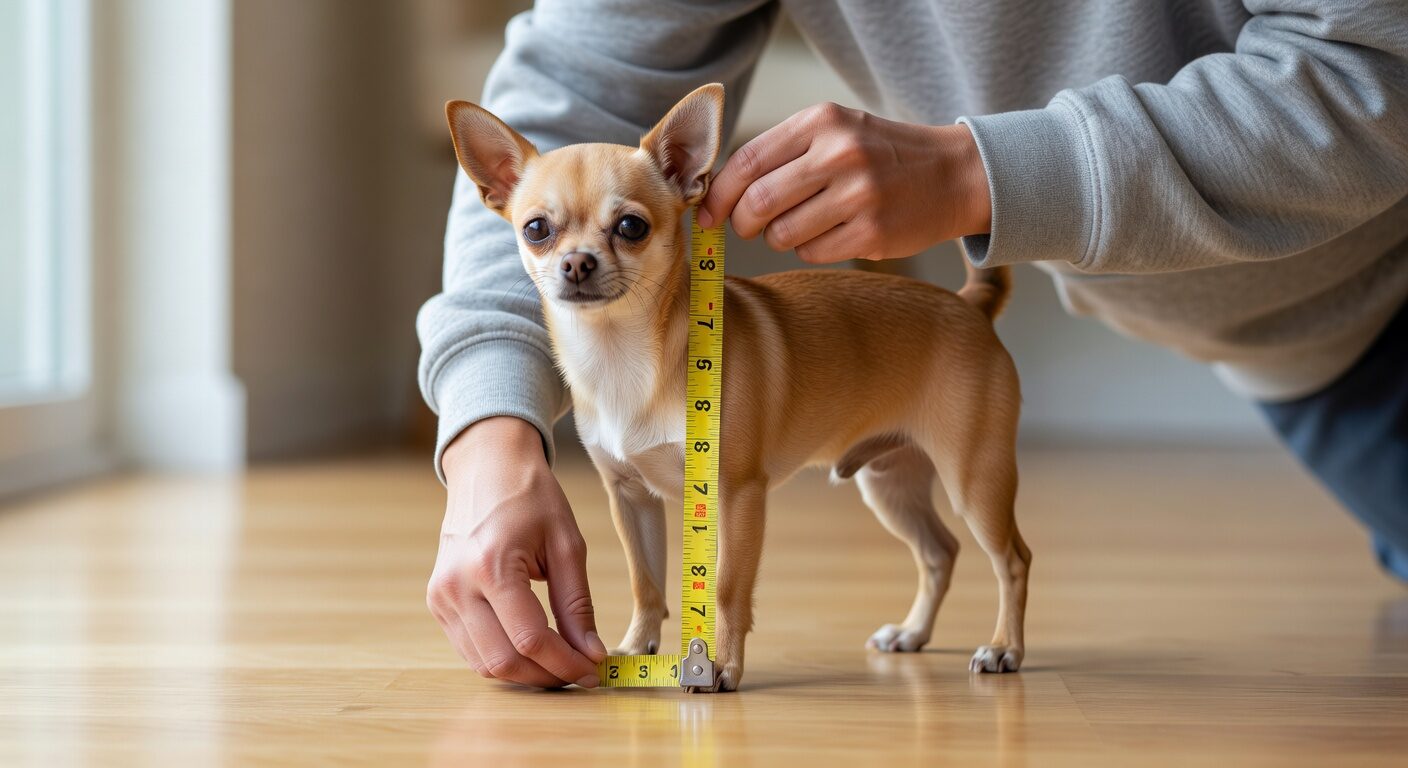
There is no such thing as a teacup chihuahua. I feel strongly enough about this to state it plainly. The term “teacup” is a marketing label used by breeders to charge more money for chihuahuas that are unusually small, often because they are the runts of their litters or because they have been bred specifically for extreme smallness at the expense of health.
Chihuahuas that weigh under 3 pounds as adults are more vulnerable to a host of health problems including hypoglycemia, heart defects, hydrocephalus, fragile bones, and respiratory issues. According to The Spruce Pets, veterinary organizations do not recognize “teacup” as a legitimate breed variety, and responsible breeders do not intentionally breed for extreme miniature sizes because the health consequences are too severe.
If someone offers you a “teacup” chihuahua at a premium price, that is a red flag. A healthy chihuahua at a normal weight for the breed is always preferable to an artificially tiny dog who may face a lifetime of medical complications.
Factors That Determine Your Chihuahua’s Size
Several factors influence how big or small your chihuahua will ultimately be. Genetics is the most significant, as the size of the parents is the best predictor of the puppy’s adult size. If both parents are on the larger end of the breed standard, expect a larger puppy. If both are petite, the puppy will likely be smaller as well.
Nutrition during the growth phase matters too. A puppy who is not adequately fed during their critical development months may not reach their genetic potential, while a puppy who is overfed can become obese, which is not the same as being a healthy larger chihuahua. Proper nutrition supports healthy bone and muscle development, which determines both the height and lean body mass of the adult dog.
The two chihuahua varieties, smooth coat and long coat, do not differ significantly in size, though long coats can appear larger because of their fur. Under all that hair, a long coat chihuahua is typically the same size as a smooth coat.
Why Size Matters for Chihuahua Care
The size of a chihuahua directly affects almost every aspect of their care. Their tiny stomachs mean they need to eat smaller, more frequent meals to avoid blood sugar crashes. Their small bodies lose heat quickly, making them vulnerable to cold weather in ways that larger dogs simply are not. Their delicate bones mean that falls from heights that would be trivial for a bigger dog can cause fractures. Even the size of their toys and food kibble needs to be appropriate for their miniature mouths.
I adjust everything in my home for Pepper’s size. She has ramps to get on furniture, her food is a small breed formula with tiny kibble, and she wears a harness instead of a collar because her small trachea is susceptible to collapse from collar pressure. These are not excessive precautions, they are the baseline of responsible care for a dog this small. For more on keeping small chihuahuas healthy, read our guide on caring for chihuahua puppies.
Maintaining a Healthy Weight
Because chihuahuas are so small, even a slight weight gain has a disproportionate impact on their health. A chihuahua who gains just one pound is carrying a much higher percentage of excess body weight than a Labrador who gains the same amount. Obesity in chihuahuas leads to joint problems, heart disease, breathing difficulties, and a shortened lifespan.
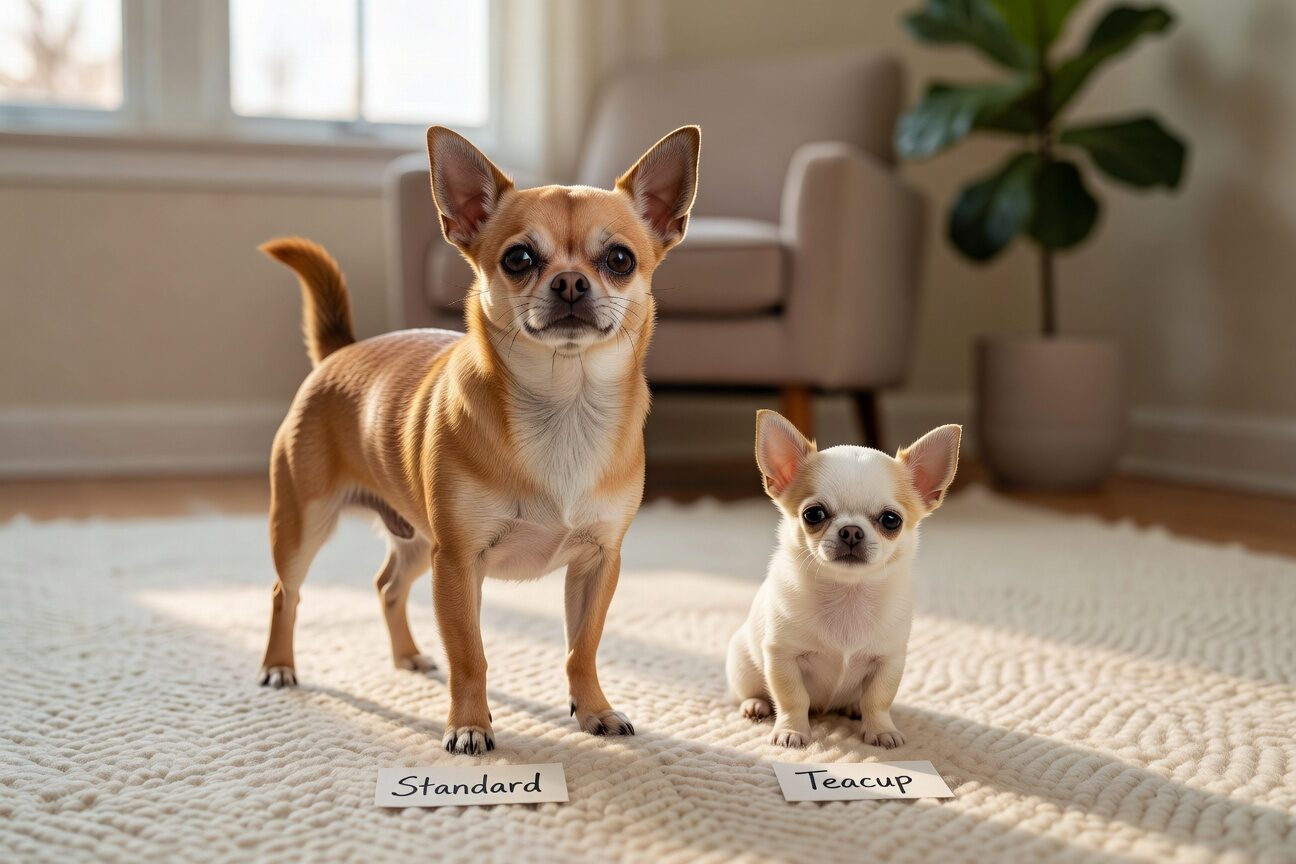
I weigh Pepper regularly on a kitchen scale because bathroom scales are not sensitive enough to track meaningful changes in a 5 pound dog. Her vet has given me an ideal weight range to maintain, and I adjust her food portions accordingly. It is easier to prevent weight gain in a chihuahua than to take weight off, so portion control and limiting treats are habits worth building from day one.
The size of a chihuahua is part of what makes them so special. They are tiny enough to fit in your lap, portable enough to take almost anywhere, and compact enough to thrive in small apartments. But that same smallness requires owners who understand the unique challenges it creates and are willing to accommodate them. Pepper may be little, but the care she requires is every bit as serious as a dog ten times her size. For more about the breed, check out our article on the history of the chihuahua and how long chihuahuas live.