

Improve Your Chihuahua’s Skin and Coat With One Simple Change
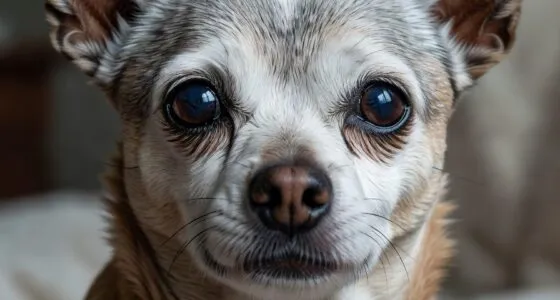
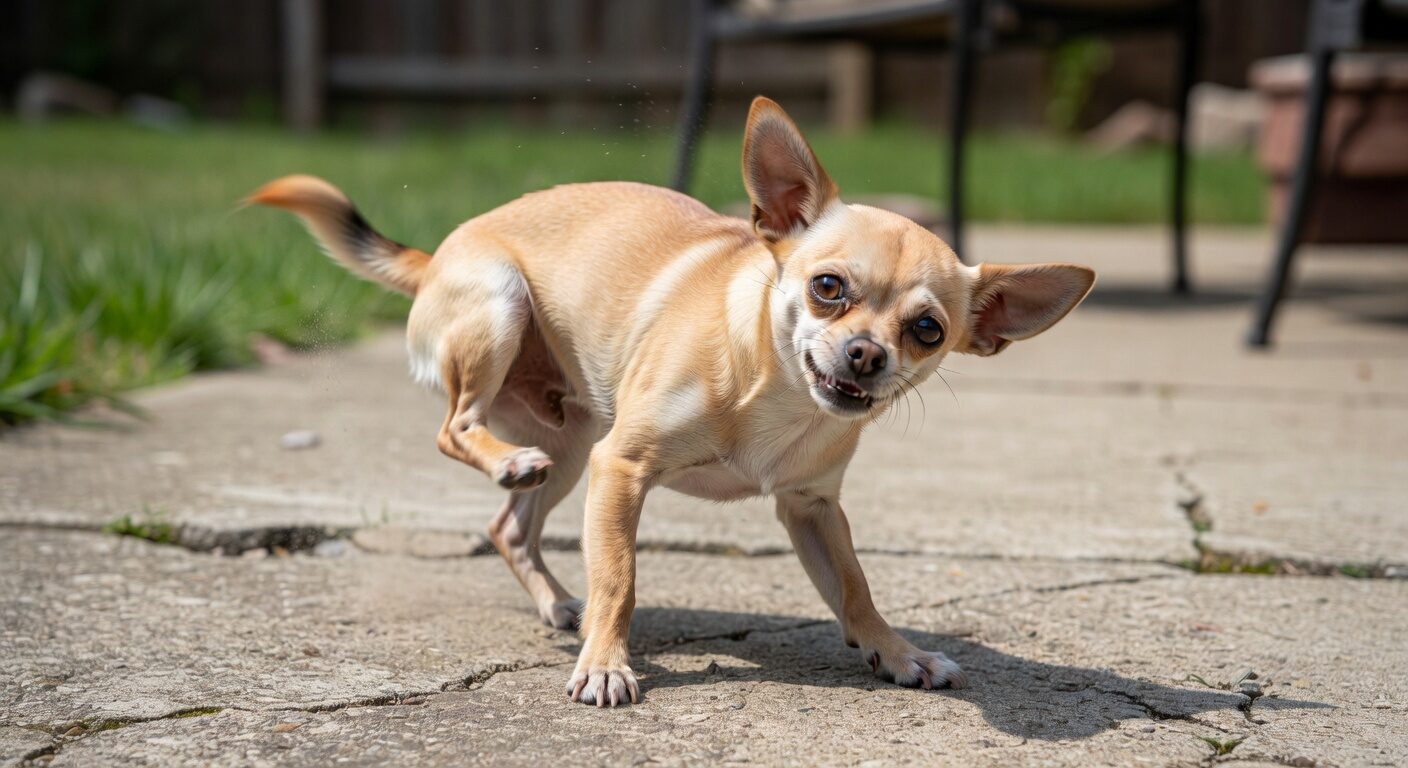
I spent months trying to figure out why my chihuahua’s skin and coat looked dull and flaky despite regular baths and what I thought was a decent diet. Her name is Maple, she is a smooth coat chihuahua, and for the first year I had her, she scratched constantly, had dandruff visible on every dark surface she touched, and her coat had about as much shine as a dusty chalkboard. I tried medicated shampoos, changed her food twice, and even bought one of those expensive grooming kits marketed for sensitive skin dogs. Nothing worked until a vet visit finally pointed me toward the simple change that transformed everything.
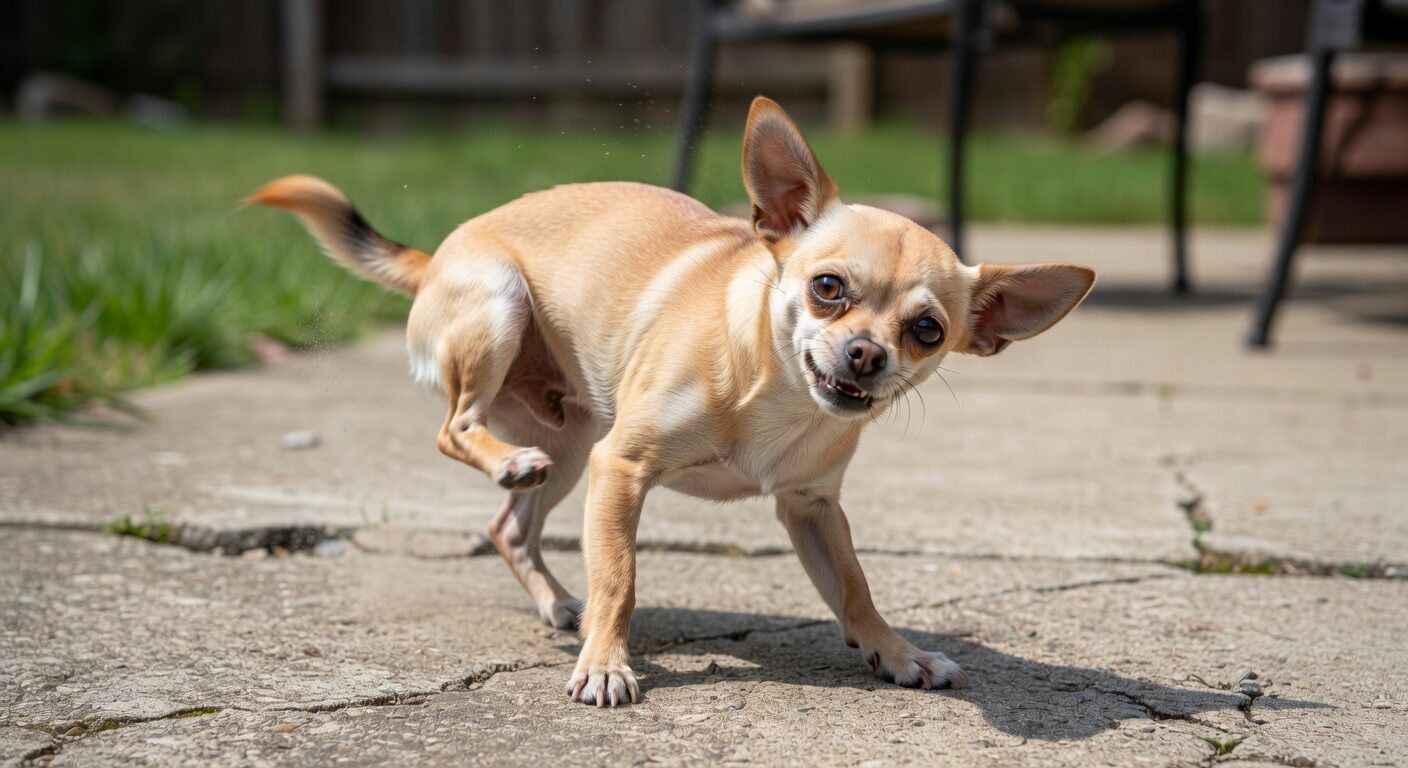
The answer was fish oil. Specifically, omega 3 fatty acid supplementation. It sounds almost too simple, but adding a quality fish oil supplement to Maple’s daily meals improved her skin and coat more dramatically than everything else I tried combined. Within three weeks her dandruff was gone. Within six weeks her coat was visibly shinier and softer. The constant scratching stopped almost entirely. I felt equal parts relieved and foolish for not trying it sooner.
Why Chihuahuas Are Prone to Skin and Coat Problems
Chihuahuas, especially smooth coats, have skin that is more exposed to environmental irritants than dogs with thick double coats. Their thin hair provides less protection, which means everything from dry indoor air in winter to sun exposure in summer can affect their skin health. My vet explained that chihuahuas also have a higher surface area to body weight ratio than larger dogs, which means their skin has to work harder to maintain moisture and barrier function.
Common skin issues in chihuahuas include dry flaky skin, allergic dermatitis, contact allergies, and seborrhea. Some of these are genetic, some are environmental, and some are directly related to diet. The good news is that a significant percentage of mild to moderate skin problems in chihuahuas respond well to dietary supplementation and proper grooming, without needing prescription medications.
The AKC notes that fish oil provides EPA and DHA fatty acids that support skin health, reduce inflammation, and promote a glossy coat. These are essential fatty acids that dogs cannot produce on their own, so they must come from food or supplements.
How Fish Oil Transforms Your Chihuahua’s Coat
Omega 3 fatty acids work from the inside out. They become part of the cell membranes in your dog’s skin, improving hydration and reducing the inflammatory response that causes itching and flaking. The EPA component is particularly effective at reducing skin inflammation, while DHA supports overall cell health and gives the coat that healthy shine that every dog owner wants to see.
I give Maple a pump of liquid fish oil on her food once a day. The liquid form is easier to dose accurately for a small dog than capsules, and she eats it without any fuss because she actually likes the taste. Some dogs are pickier about it, and in those cases you can find fish oil in flavored soft chew form that most chihuahuas will eat as treats.
Choosing the Right Fish Oil Supplement
Not all fish oil is the same. Look for a product specifically made for dogs that lists the EPA and DHA content clearly on the label. Wild caught fish sources like salmon, sardine, and anchovy are generally higher quality than farmed fish. Avoid cod liver oil because it has high levels of vitamin A and D that can be toxic in large amounts. The dosage for chihuahuas is much smaller than for larger breeds, usually just a fraction of a teaspoon or a single pump of a liquid product, so follow the label instructions based on your dog’s weight.
According to Dogs Naturally Magazine, quality matters enormously with fish oil supplements because low quality products can contain contaminants or go rancid quickly. Store your fish oil in the refrigerator after opening and replace it if it starts to smell strongly fishy, which indicates oxidation.
Grooming Practices That Complement the Dietary Fix
Fish oil is the foundation, but pairing it with good grooming habits multiplies the results. I revamped Maple’s entire grooming routine alongside starting the supplement, and the combination is what really made her coat go from embarrassing to impressive.
Bathing the Right Way
I cut back to bathing Maple once every three to four weeks instead of weekly, and I switched to a gentle oatmeal based shampoo. Over bathing strips natural oils from chihuahua skin faster than the body can replace them, which is exactly the opposite of what you want when you are trying to improve coat health. Between baths, a quick wipe down with a damp cloth or unscented dog wipe handles any surface dirt without disrupting the skin’s oil balance.
Brushing for Distribution
Regular brushing with a soft bristle brush distributes the natural oils produced by your dog’s skin evenly across the coat. For smooth coat chihuahuas like Maple, two to three times a week is plenty. For long coat chihuahuas, daily brushing prevents tangles and keeps the coat smooth. The act of brushing also stimulates blood flow to the skin, which supports healthy cell turnover and coat growth. You can find more detailed grooming advice in our complete chihuahua grooming guide.
Other Dietary Factors That Affect Skin and Coat
Fish oil was the game changer for Maple, but it works best as part of an overall healthy diet. If your chihuahua is eating low quality food that is heavy on fillers and light on real protein, a supplement can only do so much. I switched Maple to a small breed formula with real meat as the first ingredient and limited artificial additives, and that dietary upgrade supported the work the fish oil was doing.
Hydration matters too. Dogs who do not drink enough water have drier skin, period. I added a second water bowl in the room where Maple spends most of her time, and I noticed she drinks more simply because it is convenient. Some chihuahua owners add a splash of low sodium chicken broth to the water to encourage drinking, which is a trick that works surprisingly well with picky dogs.
Food allergies are another factor worth considering if your chihuahua’s skin problems persist despite supplementation and good grooming. Common allergens in dog food include chicken, beef, wheat, soy, and corn. An elimination diet supervised by your vet can identify whether a specific ingredient is causing your dog’s skin issues. For a broader look at what your chihuahua should be eating, our article on fruits and vegetables chihuahuas can eat covers healthy food options.
When to See the Vet About Skin Problems
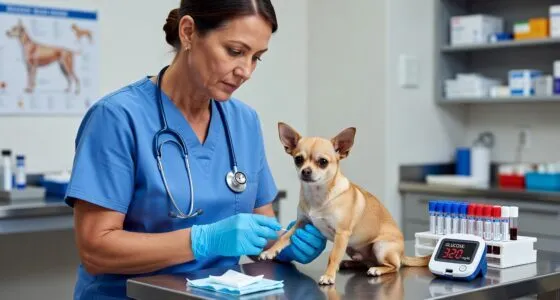
While dietary changes and grooming improvements solve many chihuahua skin problems, some conditions need veterinary attention. If your chihuahua has persistent hot spots, open sores, hair loss in patches, or skin that is red and inflamed despite your best efforts, get to the vet. These can be signs of mange, fungal infections, autoimmune conditions, or severe allergies that need medical treatment beyond what supplements can address.
Maple’s vet runs a basic skin check at every annual appointment, which I appreciate because it catches anything developing before it becomes a problem. If your vet suspects allergies, they may recommend allergy testing or a prescription diet to isolate the cause. Do not try to diagnose and treat serious skin conditions at home because what looks like dry skin could be something that needs a very different approach.
The Results Speak for Themselves
Maple is three years old now and her coat is the thing people comment on most when they meet her. It is smooth, shiny, and soft, and her skin is healthy and flake free. The total cost of her daily fish oil supplement is something like ten cents a day, which makes it one of the most cost effective improvements I have made to her care routine. Combined with proper bathing frequency, regular brushing, and a quality diet, the transformation has been nothing short of remarkable.
If your chihuahua’s skin and coat are not where you want them to be, try the fish oil first. Give it a full six weeks before you judge the results because it takes time for the fatty acids to build up in the system and start making visible changes. Most chihuahua owners I have recommended this to come back amazed at the difference such a simple addition makes. Your chihuahua deserves to feel comfortable in their own skin, and this one simple change might be all it takes to get there.