

4 Things to Do When Your Chihuahua Is Stressed
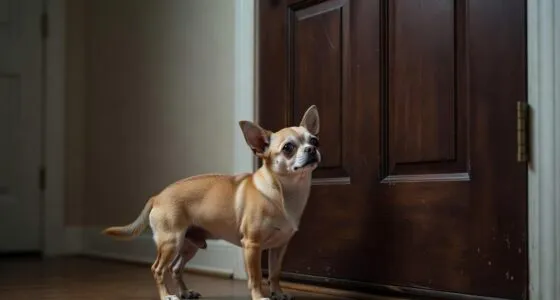
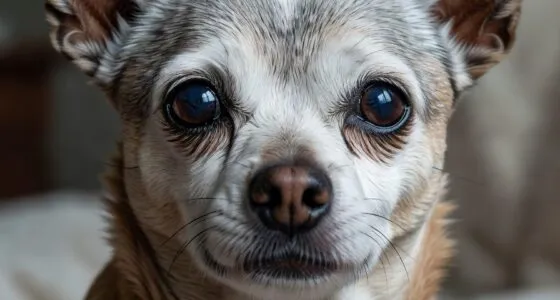
Figuring out what to do when your chihuahua is stressed was something I had to learn quickly because my chihuahua, Pebbles, came to me as an anxious mess. She was a rescue with an unknown history, and for the first few months everything seemed to stress her out. Loud noises, new people, car rides, being left alone, even the sound of the dishwasher running would send her into a trembling, panting spiral. I felt helpless watching her struggle, and I needed practical strategies that would actually make a difference in her daily life.
The good news is that chihuahua stress is manageable. It takes patience, consistency, and a willingness to adjust your approach based on what your individual dog responds to, but real improvement is absolutely possible. Here are the four things that made the biggest difference for Pebbles and that I recommend to every chihuahua owner dealing with a stressed dog.
1. Create a Safe Space That Is Exclusively Theirs
Every chihuahua needs a designated safe spot where they can retreat when the world feels like too much. For Pebbles, that safe space is a small covered crate in a quiet corner of my bedroom with a soft bed, a blanket that smells like me, and a chew toy. She goes there voluntarily when she needs to decompress, and no one, not me, not guests, not other pets, disturbs her when she is in her spot.
The key to making a safe space work is that it must always be associated with calm and comfort, never with punishment. I never use the crate as a time out or force Pebbles into it when she does not want to go. It is her sanctuary, and maintaining that association has given her a reliable coping mechanism that she uses independently when she feels overwhelmed.
According to the AKC, crate training done properly creates a den like space that satisfies a dog’s instinct to seek a secure, enclosed area when they feel stressed. For chihuahuas, whose small size already makes them feel vulnerable in open spaces, this instinct is particularly strong.
2. Establish and Maintain a Consistent Routine
Stressed chihuahuas benefit enormously from predictability. When Pebbles knows what to expect from her day, her baseline anxiety drops significantly. I feed her at the same times, walk her on the same general schedule, and follow the same evening routine of play, grooming, and settling down for bed. The routine itself is soothing because it eliminates the uncertainty that drives so much of her anxiety.
When routine disruptions are unavoidable, like travel, guests visiting, or schedule changes, I try to maintain as many familiar elements as possible. Her bed comes with us when we travel, her feeding times stay the same, and she always has access to a blanket that smells like home. These small anchors of familiarity make a measurable difference in how she handles change.
I also learned that my own energy affects Pebbles directly. If I am rushing around the house in a stressed state, she mirrors that energy. When I consciously slow down, speak softly, and move calmly around her, she calms down too. Chihuahuas are remarkably sensitive to their owner’s emotional state, and managing your own stress is genuinely part of managing theirs.
3. Use Desensitization and Counterconditioning
This is the approach that made the most dramatic long term improvement in Pebbles’s stress levels. Desensitization means gradually exposing your chihuahua to the things that stress them at a very low intensity, low enough that they notice the trigger but do not react to it. Counterconditioning means pairing that low level exposure with something your dog loves, usually high value treats, so they begin to associate the previously scary thing with something positive.
For Pebbles and loud noises, I started by playing recorded sounds at barely audible volume while she ate her favorite treats. Over weeks, I gradually increased the volume by tiny increments, always staying below her threshold for panic. It took about two months, but she went from full meltdown at any sudden loud noise to mild alertness followed by looking to me for reassurance and treats. That is an enormous improvement for a dog who used to hide under the bed during thunderstorms.
The critical rule with desensitization is to never push too fast. If your chihuahua shows stress signals, you have gone too far and need to back up to a lower intensity. Progress is not linear, and some days will be better than others. Patience is everything. The behavior specialists at PetMD provide detailed guidance on implementing these techniques correctly.
4. Consider Professional Help and Calming Supplements
If your chihuahua’s stress is severe or not improving with home management strategies, do not hesitate to seek professional help. A veterinary behaviorist can assess whether your dog’s anxiety would benefit from medication in addition to behavior modification, and a certified positive reinforcement trainer can help you implement desensitization and counterconditioning protocols correctly.

For milder cases, calming supplements can provide additional support. Products containing L-theanine, chamomile, or valerian root are available in treat and chew forms and can take the edge off daily anxiety. A calming pheromone diffuser, which mimics the pheromones a nursing mother dog produces, helped Pebbles noticeably during her first few months with me. These products are not magic solutions and they work best alongside behavioral strategies, but they can make a meaningful difference as part of a comprehensive approach.
Thundershirts and other pressure wraps can also help some chihuahuas feel more secure during stressful situations. The gentle, constant pressure mimics the feeling of being held and can reduce anxiety in dogs who respond well to compression. Pebbles wears hers during thunderstorms and fireworks, and while it does not eliminate her stress completely, it brings her from a 10 down to about a 6, which is enough for her to cope.
What Stress Looks Like in Chihuahuas
Recognizing stress is the first step to addressing it. Chihuahuas show stress through trembling, excessive panting, lip licking, yawning, whale eye, pacing, hiding, refusing food, excessive barking, and in extreme cases, aggression. Some chihuahuas become clingy when stressed while others withdraw completely. Knowing your individual dog’s stress signals allows you to intervene early before the anxiety escalates to a point that is harder to manage.
Pebbles is a much calmer dog now than she was when I first brought her home. She still has triggers and she still has bad days, but her baseline anxiety has dropped dramatically through the combination of a safe space, consistent routine, gradual desensitization, and the occasional help from calming products. Stress management for chihuahuas is not about eliminating anxiety entirely, because that is not realistic for most dogs. It is about giving your chihuahua the tools and support they need to navigate the world with confidence, and watching them grow braver over time is one of the most rewarding experiences I have had as a dog owner. For related guidance, read about signs of nervous aggression and building a stronger bond with your chihuahua.